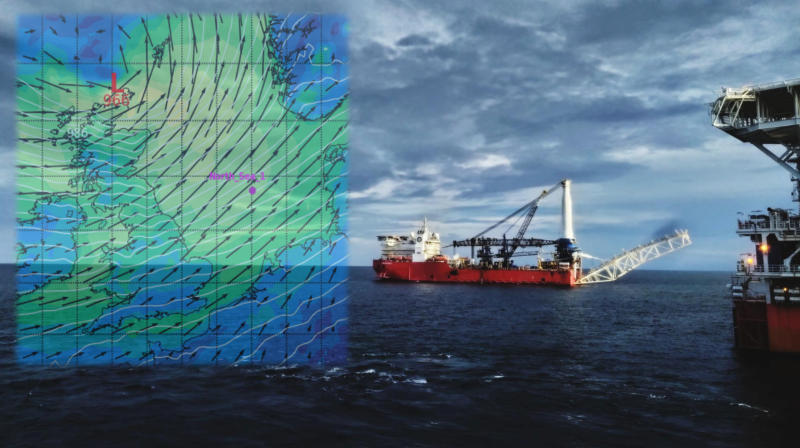
In the complex world of offshore oil and gas logistics, the loading and unloading of supply vessels near platforms are among the most pivotal and challenging operations. While skilled navigation and proficient management are crucial, the role of natural forces—particularly weather, wind, and wave dynamics—cannot be overstated in balancing these high-risk activities. A thorough understanding of marine meteorology is an essential step toward enhancing the safety and efficiency of these operations.
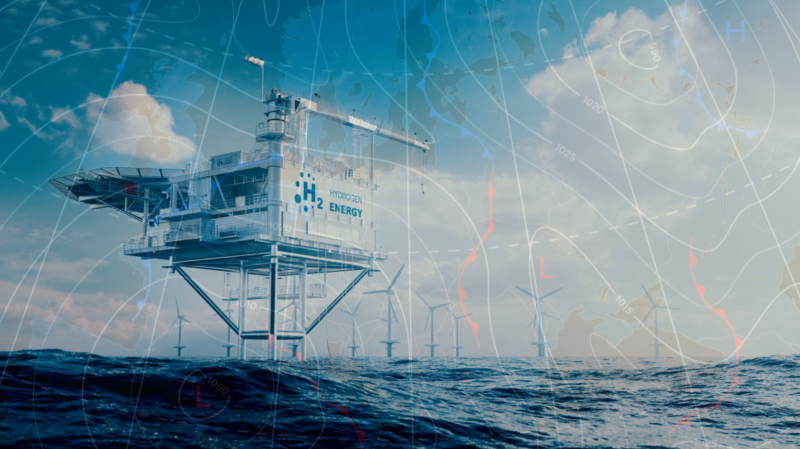
Wind in offshore settings is far more than just breezy gusts; it's a dominant force that can profoundly influence operations if not adequately anticipated. It can create severe conditions at sea, destabilize vessels, and intensify ocean swells and waves. Precision is critical in loading and unloading activities, and unexpected wind shifts can dangerously upset this delicate balance. Moreover, wind accelerates wave formation and triggers rapid changes in currents and sea states, affecting the performance of supply vessels during operations. Thus, reliable wind forecasts are crucial, not only for ensuring safety but also for effective operational planning and scheduling.
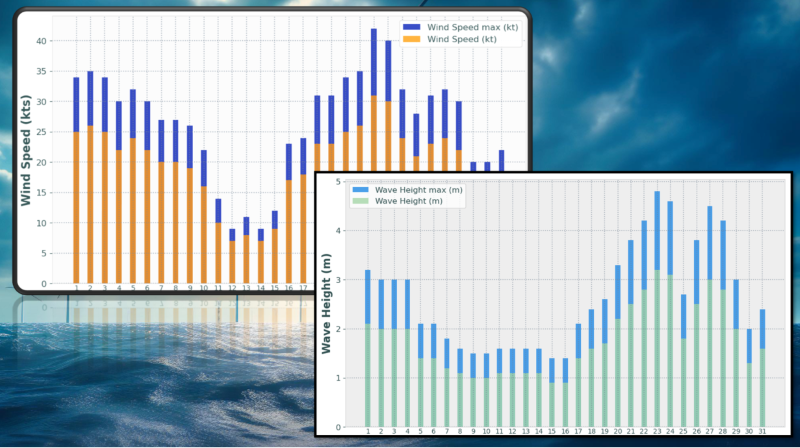
How can we manage these unpredictable natural forces? First and foremost, operational crews must have a solid grasp of weather, wind, and wave dynamics. Paying close attention to Rapid Environmental Assessment (REA) data allows for accurate predictions of sea states and weather conditions. REAs include both remote and on-site observations of environmental factors (such as wind speed, direction, wave height, and wave direction) and their temporal evolution. Additionally, leveraging advanced weather forecasting and wave prediction tools can provide detailed, location-specific data and serve as critical risk mitigation strategies. Anticipating weather changes is essential not just to react but to maintain vessel stability and ensure seamless operations.
In the high-stakes arena of offshore logistics, where errors can be fatal or financially ruinous, staying attuned to nature's whims is vital. By investing in cutting-edge weather forecasting technology and deepening marine meteorology knowledge among crews, the risks associated with loading and unloading operations near offshore platforms can be significantly reduced. Ultimately, mastering meteorological insights contributes not only to safety but also to efficiency, cost control, and environmental stewardship in offshore operations. Rather than viewing weather, wind, and wave dynamics as obstacles, they should be managed with safety, efficiency, and environmental concerns at the forefront.