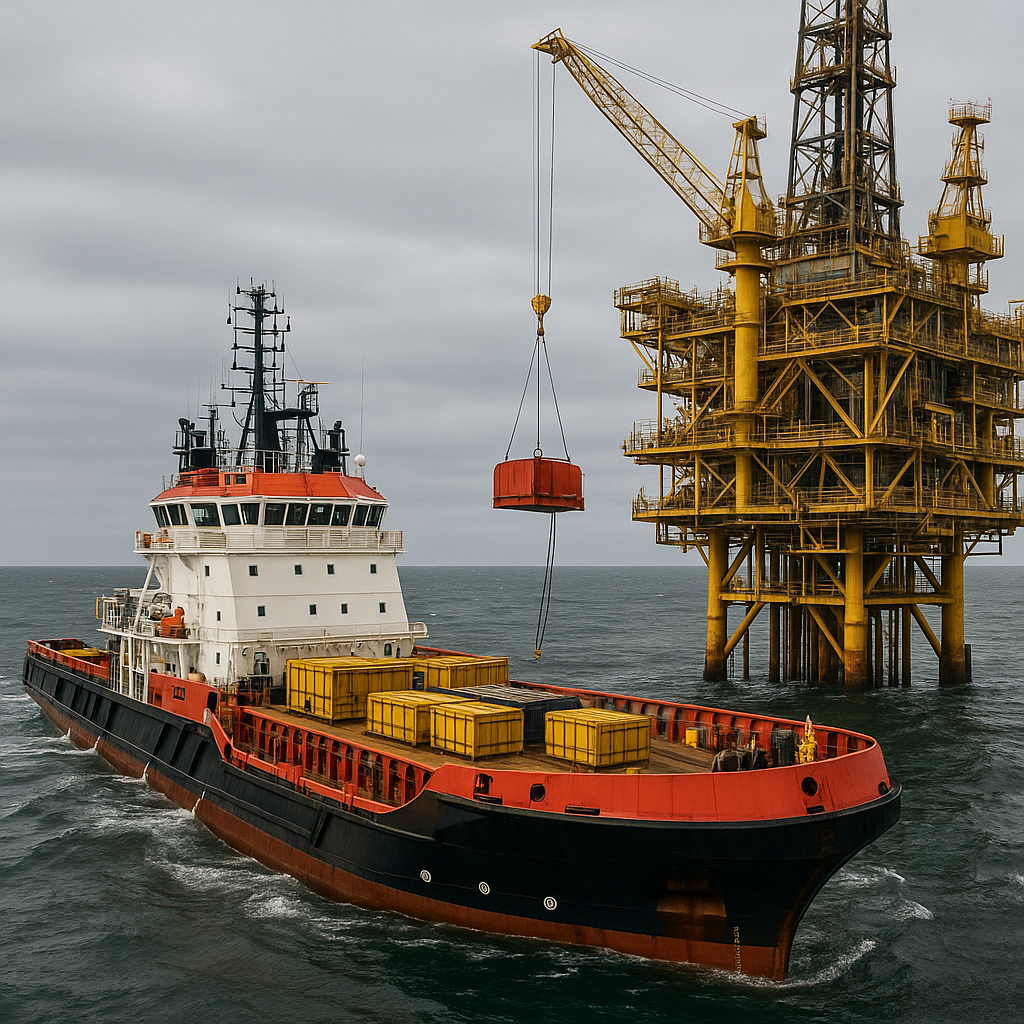
In today's fast-paced world of offshore exploration and production, supply vessels are essential in bridging the gap between the rich resources beneath our seas and the vibrant markets on land. However, their operations, particularly during loading and unloading near platforms, are greatly impacted by environmental forces like weather, wind, and waves. As a marine meteorologist and metocean specialist, my primary focus is on understanding these influences to maintain operational safety and efficiency amid such challenges.
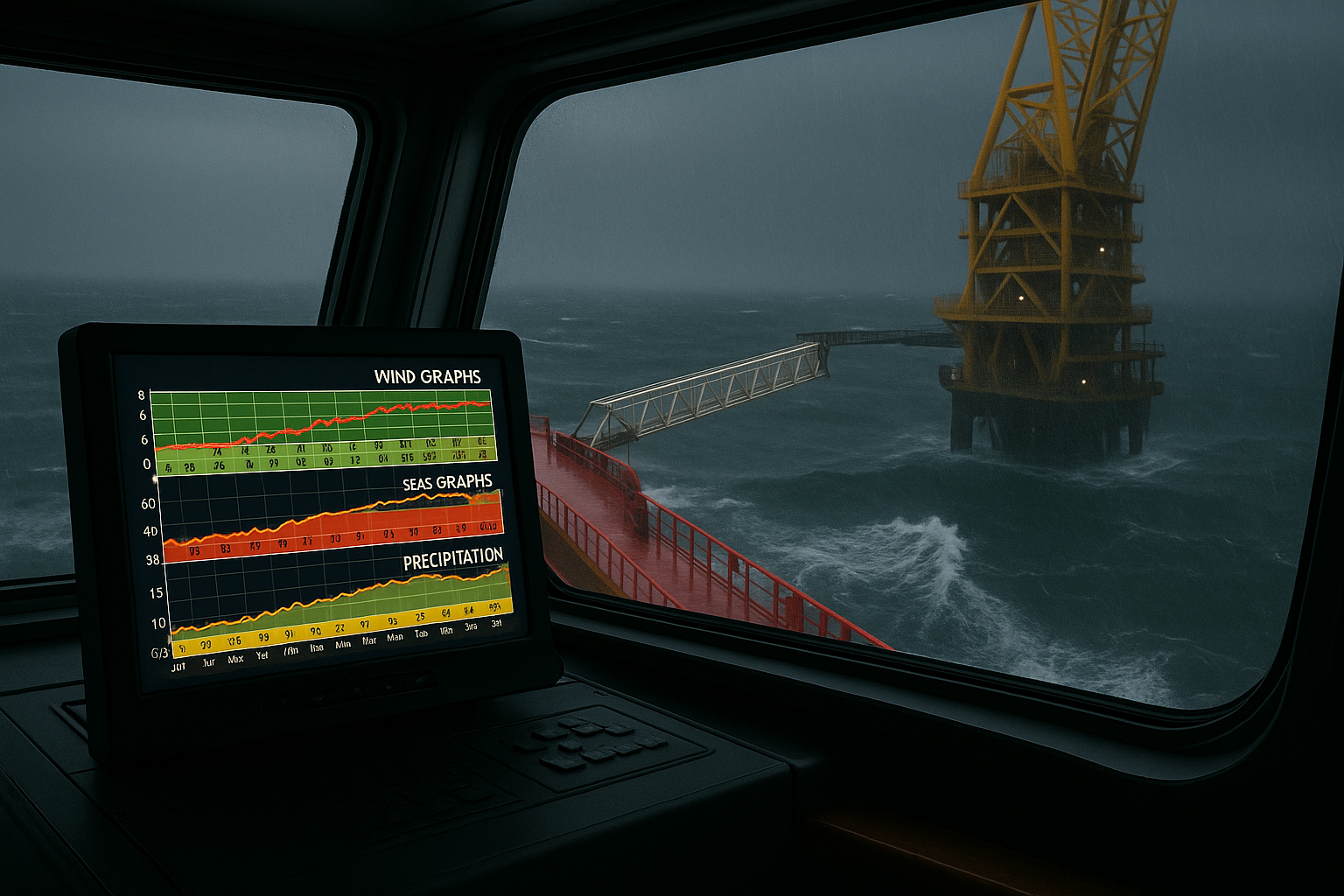
Grasping the effects of weather on supply vessel operations is a fundamental part of metocean research. Adverse weather conditions like heavy rain and fog can significantly reduce visibility, complicating navigation and precise positioning near offshore platforms. Additionally, severe thunderstorms pose risks to both the vessel and crew, potentially leading to operational shutdowns. Therefore, accurate weather forecasting is crucial for effectively scheduling loads and offloads, mitigating risks, and ensuring crew safety. Beyond weather, wind speed and direction play a significant role in supply vessel operations. Strong winds can churn the ocean's surface, creating large waves that complicate loading and unloading tasks. Wind also affects vessel stability and maneuverability, particularly when close to platforms. Effective wind analysis and prediction are vital in improving operational performance, allowing for informed decision-making and strategic planning.
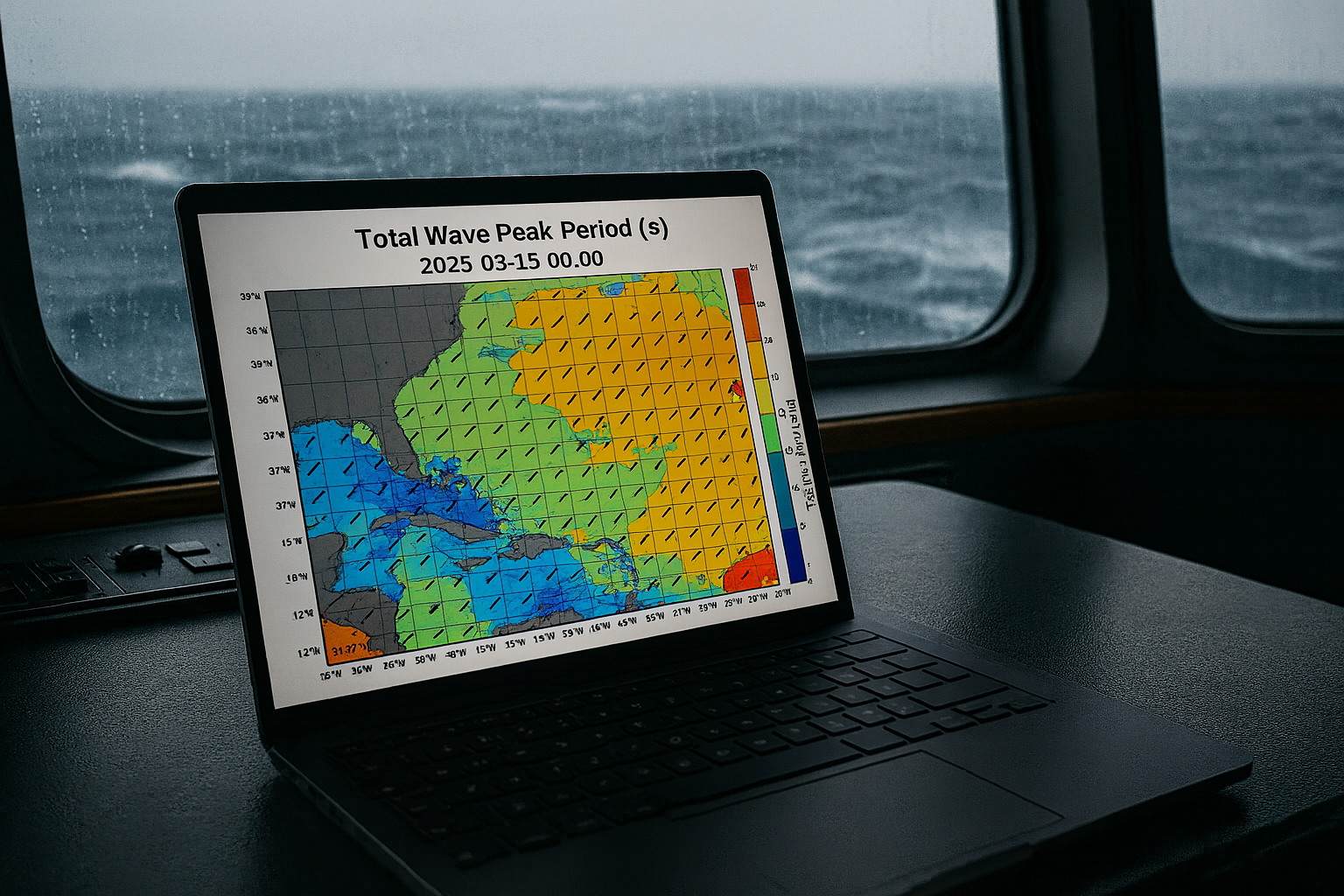
Waves, often described as the ocean's rhythmic force, present another set of challenges. High waves can cause violent vessel movements, making loading and unloading near offshore platforms risky. The relentless impact of waves also leads to increased wear and tear, resulting in maintenance concerns over time. Additionally, powerful waves can displace supply vessels, risking wreckage or collisions with platforms. Real-time wave monitoring is crucial for assessing vessel dynamics and planning safer, more efficient operations. Beneath the surface, fluid turbulence and undercurrents add another layer of complexity to supply vessel operations. Although less visible than waves, these underwater forces can cause sudden shifts in vessel positioning and stability during loading and unloading. Accurate measurement and analysis of undercurrents are essential for overcoming these challenges, ensuring safer and more efficient tasks.
Addressing the challenges of weather, wind, and waves in supply vessel operations is no small feat. It demands a comprehensive understanding of metocean factors, precise forecasting, and real-time monitoring — all integral components of marine meteorology. By combining these approaches, we can significantly enhance the safety and efficiency of supply vessel operations near offshore platforms, minimizing the risk of operational disruptions and ensuring a steady flow of resources from sea to shore. While weather, wind, and waves are inevitable in the offshore environment, through careful analysis and strategic planning, we can guide the industry's journey toward safer, smoother operations.