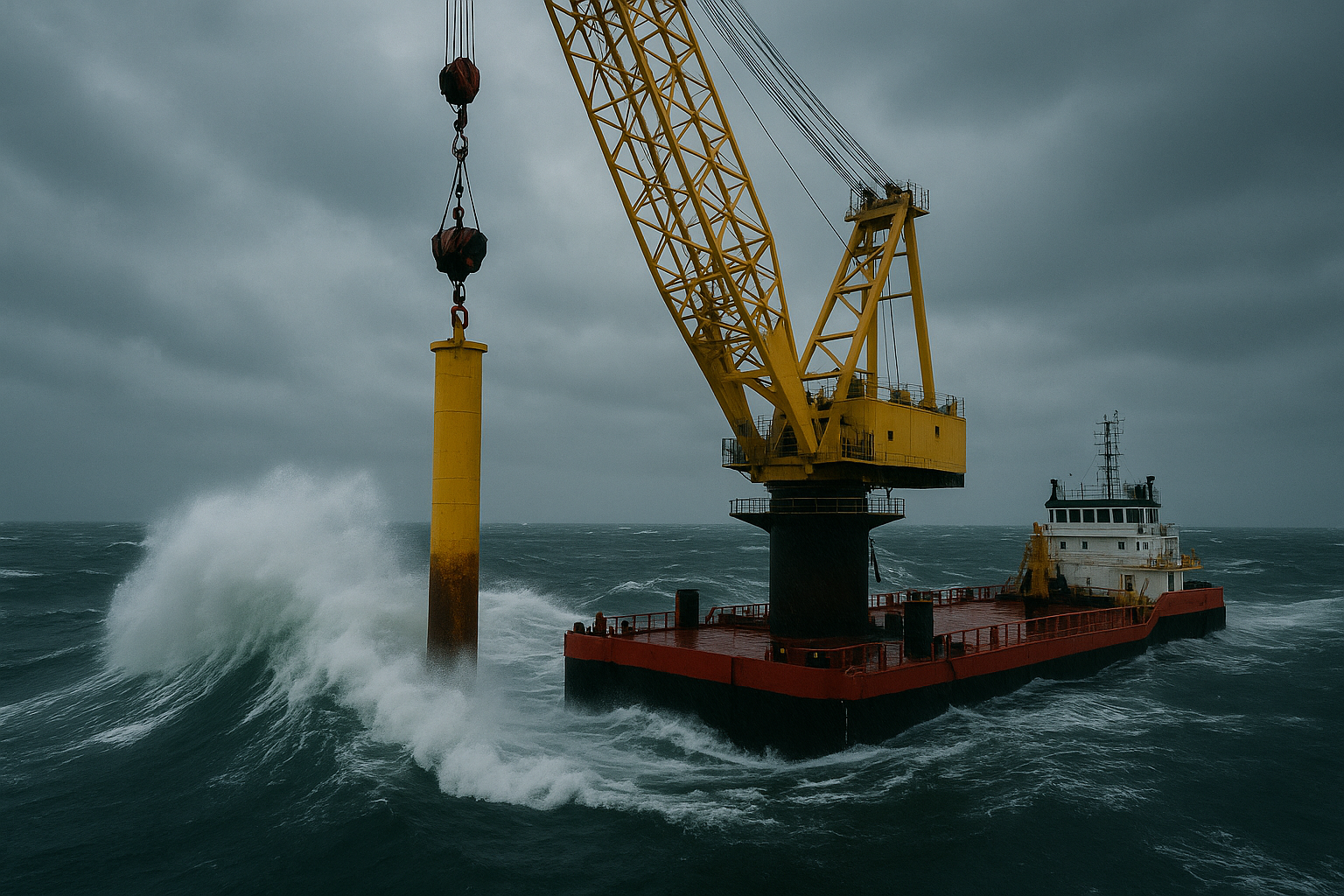
In today's rapidly expanding offshore industry, ensuring the safety and efficiency of crane barge operations requires overcoming significant challenges. The maritime environment's unpredictability demands a deep understanding of various meteorological and oceanographic factors. Among these, long period swells stand out as a major influence on the success and safety of offshore crane barge operations.
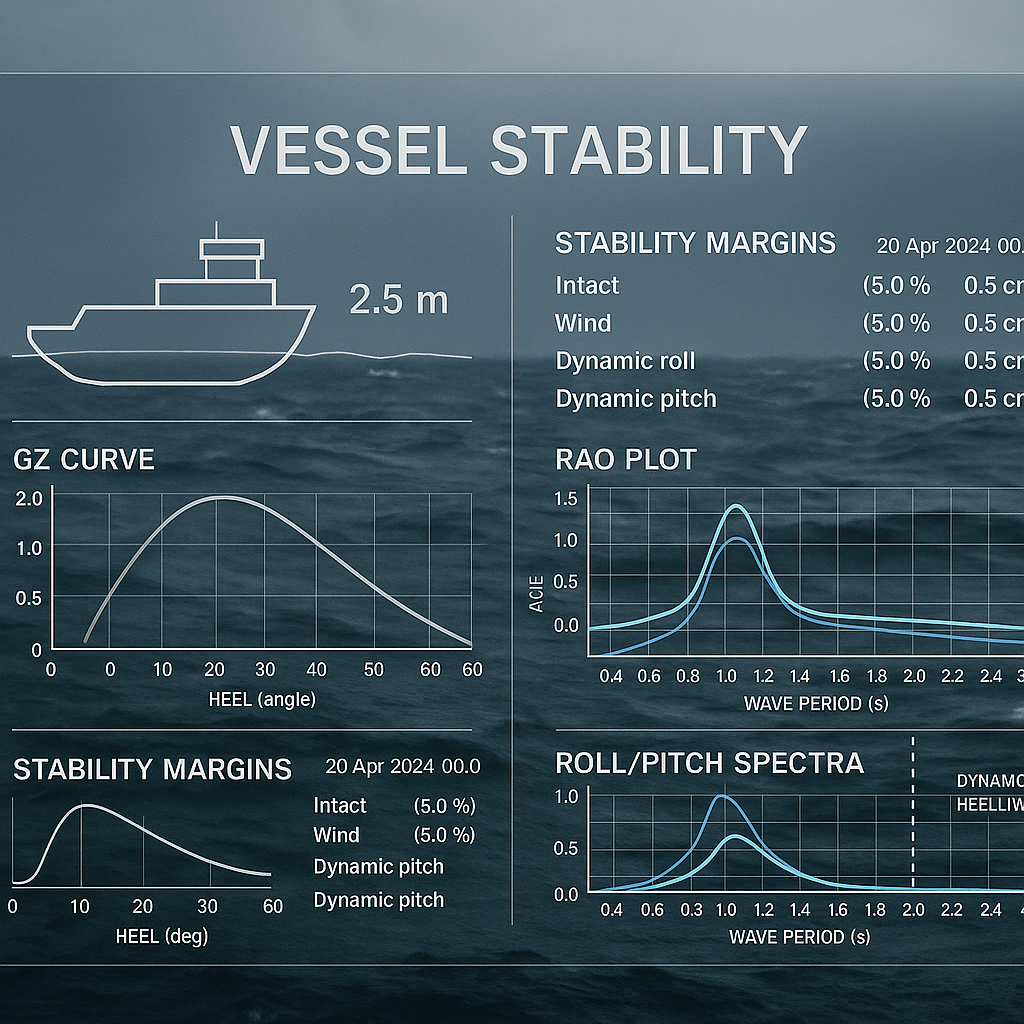
Long period swells are surface gravity waves that travel with extended intervals and are major carriers of ocean wave energy. These swells originate from intense storm systems and can journey across great distances, packing considerable energy despite their relatively low amplitudes compared to wind-driven sea waves. The substantial mass of long period swells poses a unique threat to offshore structures, like crane barges, making them susceptible to intense and potentially hazardous movements. When these swells coincide with the barge's natural oscillation frequency, a phenomenon known as "resonance" occurs. This can amplify oscillations and vibrations, severely disrupting crane barge operations and, in extreme situations, lead to equipment damage, operational halts, or even pose risks to human safety.
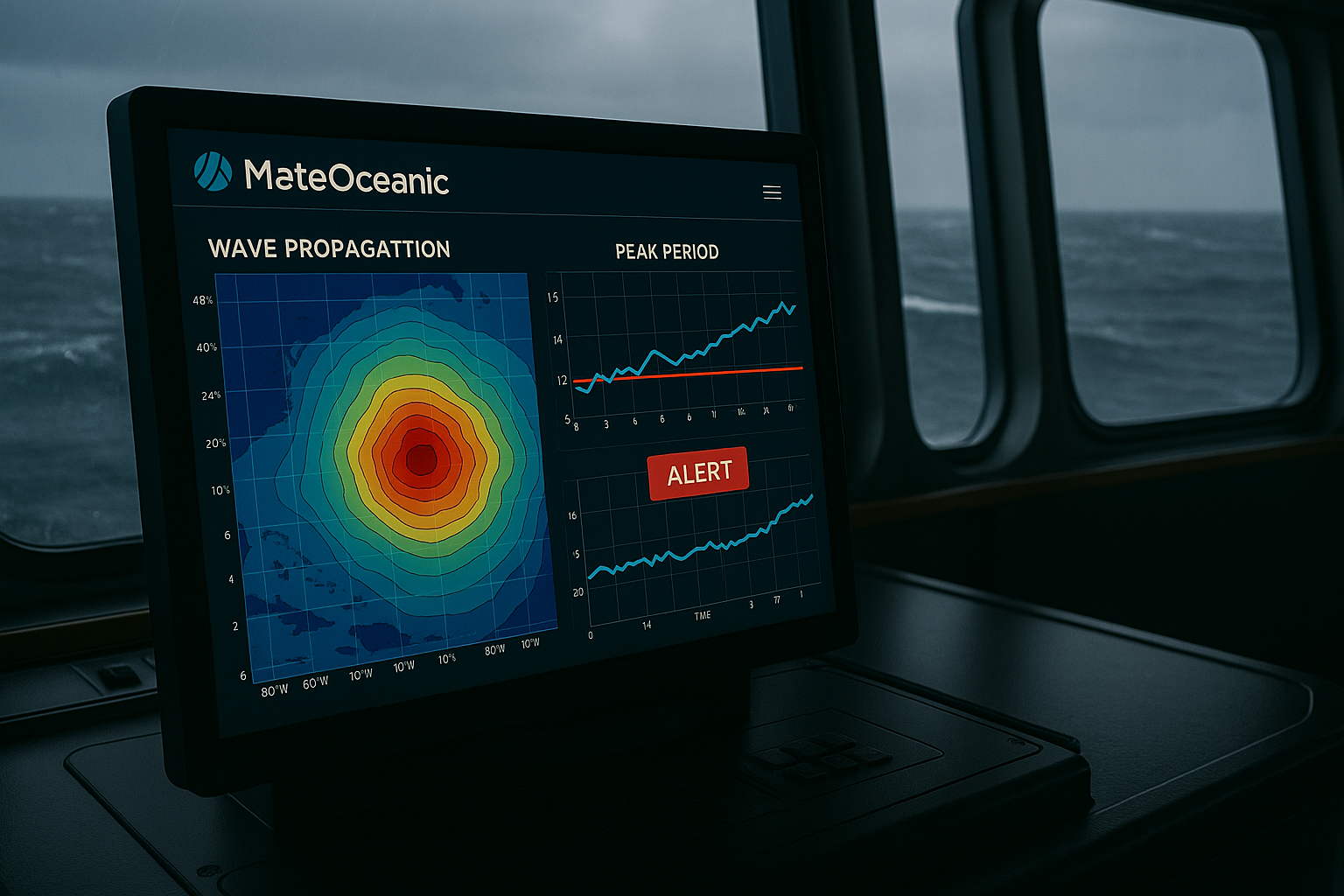
Gaining a comprehensive understanding of the formation, propagation, and potential impacts of long period swells on crane barge operations is crucial for minimizing risks. The effects of these swells can vary based on their period, direction, and amplitude, making accurate forecasting of these factors essential for successful offshore operations. Advanced numerical modeling tools offer wave spectra predictions, allowing operators to anticipate and address possible operational disruptions. Furthermore, technologies such as radar systems and wave buoys are instrumental in the real-time monitoring of swell characteristics. An effective wave monitoring program can assess associated risks and function as a "weather window" to guide decision-making. Data from these technologies can also enhance and refine numerical models for improved forecast accuracy.
While marine weather conditions are inherently unpredictable, strategic planning and anticipation of long period swells are critical to mitigating their impact on offshore crane barge operations. By integrating accurate forecasting, data-driven decision-making, and real-time monitoring, we can enhance the safety and efficiency of these operations. In the vast, unpredictable oceanic landscape, knowledge and preparedness stand as our most reliable allies.