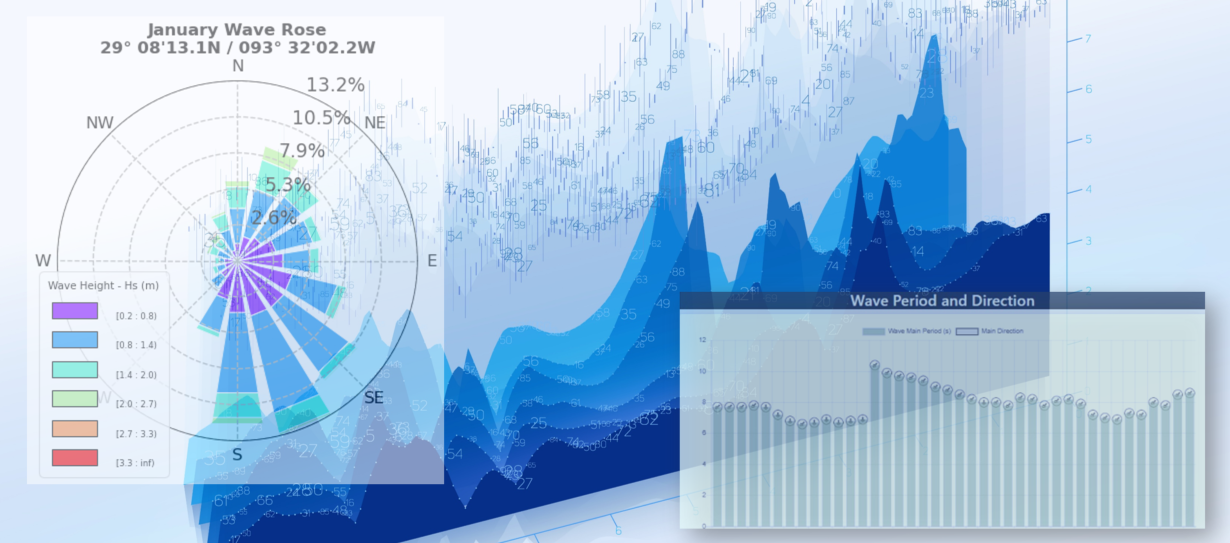
In the marine and offshore sectors, safety and success largely depend on understanding and preparing for various marine meteorological and metocean events. One critical phenomenon that can significantly disrupt—if not jeopardize—offshore activities, especially crane barge operations, is the presence of long-period swells. This blog aims to delve into the science behind these swells, explore the potential dangers they pose, and raise awareness among industry professionals.
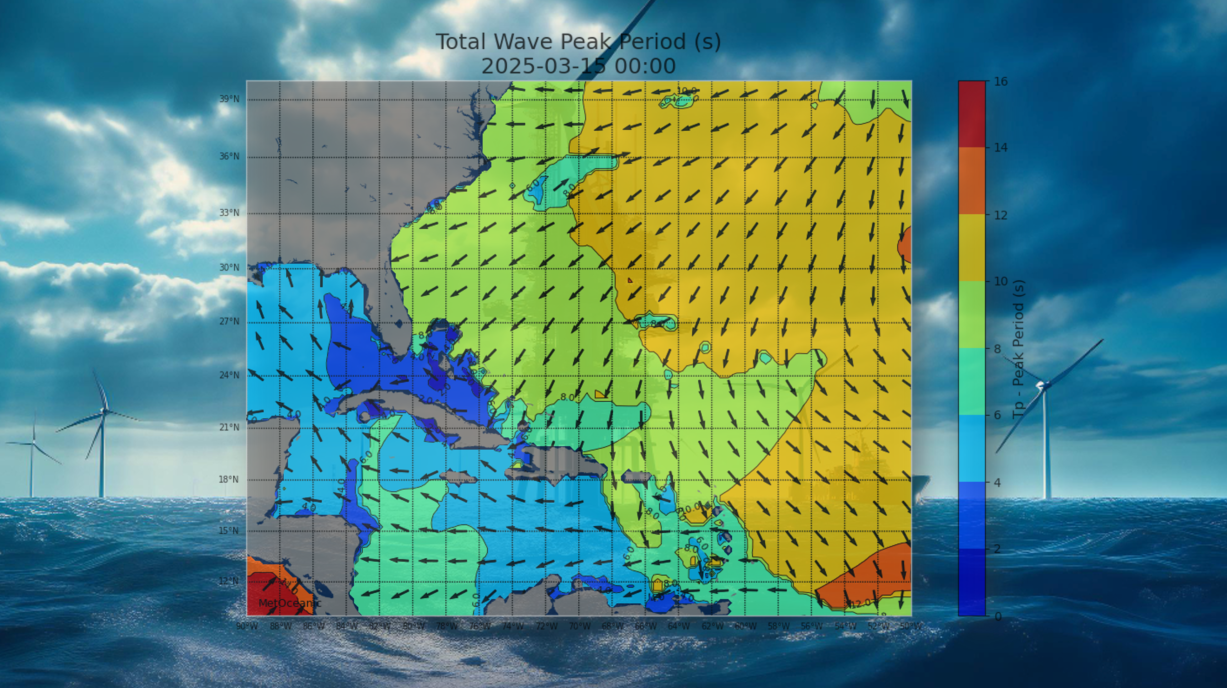
Long-period swells are ocean surface waves with periods exceeding 14 seconds, generated by distant weather systems and traveling extensively with high energy. While this energy is often imperceptible in deep waters, it becomes magnified as swells approach shallower offshore areas. The water’s rapid rise and fall can create hazardous conditions at sea, particularly affecting crane barge operations. The main challenge with crane operations is maintaining load stability in these dynamic conditions. Offshore cranes use advanced motion-compensation systems to keep cargo steady, which are usually tailored for shorter, choppy waves. However, the slow, rolling nature of long-period swells can surpass these systems' capabilities, inducing pendulum-like motions and exerting significant strain on the crane, thereby creating unsafe work environments.
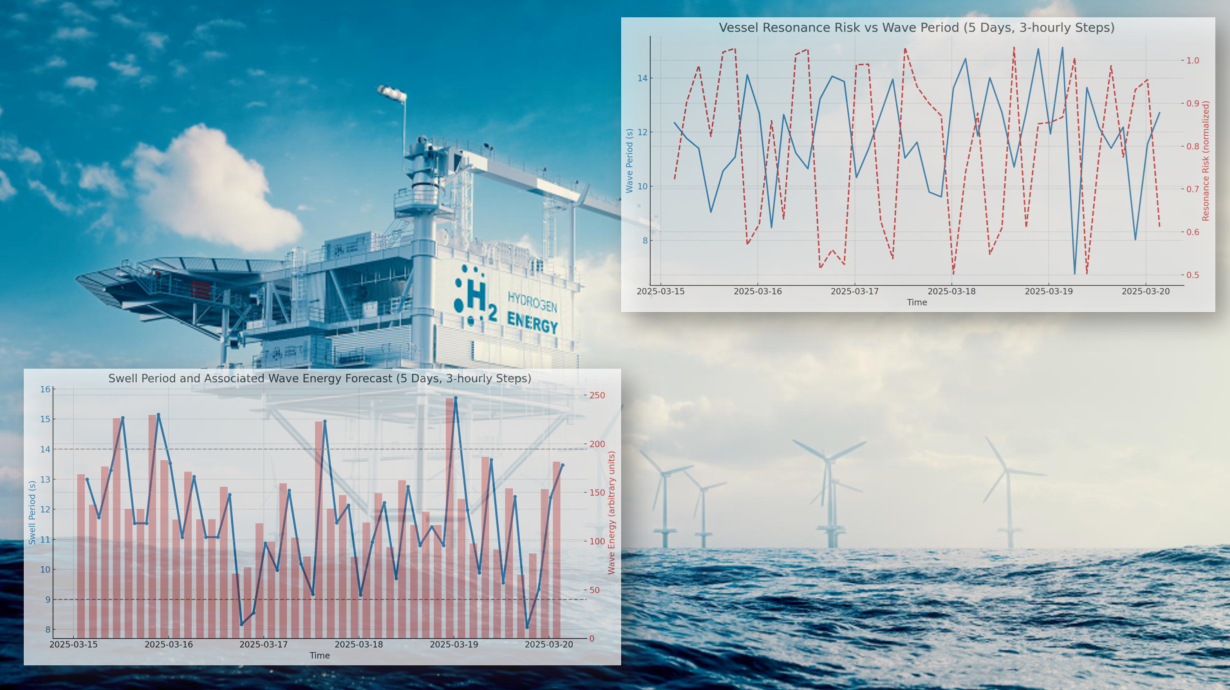
The most effective way to mitigate the dangers of long-period swells is through accurate and timely forecasts. Using advanced satellites for weather and ocean observations, alongside modern numerical models, enables precise swell predictions. Real-time monitoring of ocean swell conditions, paired with a solid understanding of their impact on operations, facilitates better decision-making and the implementation of risk mitigation strategies. Additionally, investing in motion-response analysis can be advantageous. This analysis predicts how specific swell conditions will affect operations based on the characteristics of the vessel and crane. By identifying times of heightened vulnerability caused by long-period swells, teams can plan and adjust operations to enhance safety.
Long-period swells pose a considerable risk to crane barge operations in offshore environments. Simply observing surface weather conditions is inadequate; a calm appearance does not guarantee the absence of dangerous swells below. Continuous metocean data collection, real-time monitoring, accurate predictions, and a deeper understanding of this powerful marine phenomenon are crucial. Committing resources to these areas not only ensures operational safety and efficiency but also results in substantial financial savings and, most importantly, the protection of human lives.